How is HDPE Pipe Most Commonly Jointed?
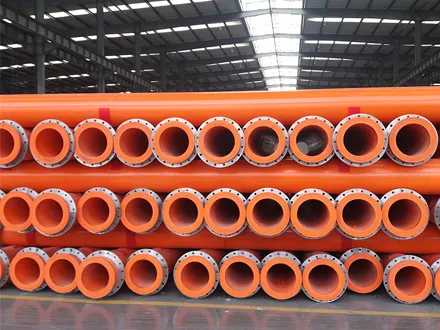
High-density polyethylene (HDPE) pipes are widely popular in various industries due to their exceptional strength, durability, and versatility. One key aspect of HDPE Pipe installation is the jointing method used, which ensures a secure and reliable connection between pipes. In this article, we will explore the most commonly used methods of joining HDPE pipes, along with the advantages and applications that make them a preferred choice.
Fusion Jointing
Fusion jointing is the primary method used for joining HDPE pipes. It involves melting the pipe ends and fusing them together to form a strong and leak-proof connection. There are two common fusion jointing techniques:
1. Butt Fusion
Butt fusion is the most widely used method for joining HDPE pipes. It involves heating the pipe ends using a specialized butt fusion machine. The heated ends are then pressed together, allowing the two molten surfaces to fuse and form a seamless joint. Butt fusion joints offer remarkable strength and are highly resistant to leakage.
2. Electrofusion
Electrofusion jointing utilizes electrofusion fittings that have built-in heating elements. These fittings are equipped with electrical terminals that are connected to an electrofusion control box. The control box provides the necessary voltage to heat the fittings, causing the molten material to bond with the pipe ends when pressed together. Electrofusion joints are quick to install, provide excellent mechanical strength, and offer superior resistance against external environmental conditions.
Advantages of HDPE pipes
HDPE pipes offer numerous advantages over traditional piping materials, such as PVC or metal pipes. Here are some notable advantages:
1. Exceptional Durability
HDPE pipes are highly resistant to corrosion, abrasion, and chemicals, making them suitable for transporting a wide range of fluids, including hazardous materials. They can withstand extreme weather conditions, aggressive soils, and underground movements without compromising their structural integrity.
2. Flexibility
HDPE pipes have excellent flexibility, allowing them to adapt to uneven terrains and absorb vibrations caused by external forces. This flexibility also makes them suitable for directional drilling and trenchless installations, reducing the need for extensive excavations.
3. Lightweight
Compared to other materials, HDPE pipes are significantly lighter, making transportation and installation more convenient and cost-effective. The lightweight nature also minimizes the need for heavy machinery during the installation process.
4. Long Service Life
HDPE pipes are designed to have a long service life, often exceeding 50 years. Their excellent resistance to degradation, coupled with their durability, ensures reliable performance and minimal maintenance requirements over extended periods.
Applications of HDPE pipes
The versatility of HDPE pipes enables their use in various applications across different industries. Some common applications include:
1. Water Supply Systems
HDPE pipes are extensively used for water distribution networks, both for potable and non-potable water. Their resistance to biological growth, chemical deterioration, and leakage make them ideal for ensuring a safe and steady water supply.
2. Gas Distribution
HDPE pipes are widely used for Natural Gas and propane distribution due to their high resistance to chemical corrosion and their ability to withstand high-pressure environments. These pipes offer a reliable and leak-free solution for delivering gas to households, industries, and commercial establishments.
3. Industrial Applications
HDPE pipes find immense utility in industrial applications like mining, chemical processing, and wastewater treatment. Their robust nature and resistance to chemical agents make them suitable for efficiently transporting various fluids and handling corrosive substances.
4. Agricultural Irrigation
HDPE pipes are widely used in agricultural irrigation systems due to their exceptional durability and resistance to UV rays. They provide a reliable and efficient means of distributing water to crops, reducing water wastage and ensuring optimal growth and productivity.
In conclusion, jointing HDPE pipes through fusion techniques, such as butt fusion and electrofusion, ensures strong and reliable connections. The advantages of HDPE pipes, including durability, flexibility, lightweight, and long service life, have made them the material of choice for various applications, such as water supply systems, gas distribution, industrial usage, and agricultural irrigation. The exceptional performance of HDPE pipes has revolutionized the piping industry by providing a cost-effective and sustainable solution for diverse requirements.
If you would like more information about this product, please feel free to contact us. Recommend other popular products for you: HDPE Dredging Pipe, Plastic Pipe Floater Factory, Pe Pipe Floaters Manufacturer, Pe Pipe Floats Manufacturer, Dredge Pipe Floats Manufacturer, Floater Pipe, HDPE Floats, PVC HDPE Difference, HDPE VS PVC Strength, Dredge Pipe Floats Price, Dredge Rubber Hose Price, HDPE Pipe For Dredge, HDPE Pipe Dredging Floater Quotes, Dredging HDPE Pipe, HDPE Floaters, HDPE Pipe Floater, Uhmwpe Tube Price, HDPE Pipe Dredging Floater, Dredging Pipe Floater, HDPE Pipes Price List 2022, HDPE Water Pipe Price List, Price For HDPE Pipe, Cost of HDPE Pipe, Buy HDPE Pipe Floats, Abrasion Rubber Dredger Hoses Price


评论
发表评论